When I started my legal career, my focus was litigation. I enjoyed the practical side of law. I was comfortable with drafting, understanding cases, preparing arguments, reading judgments and dealing with legal issues. Over time, I became confident in my litigation skills and in the kind of work I was doing.
Not every failure within a team is a failure of leadership. Sometimes, the expectations are clear, the responsibilities are understood, and the only thing missing is the willingness to act.
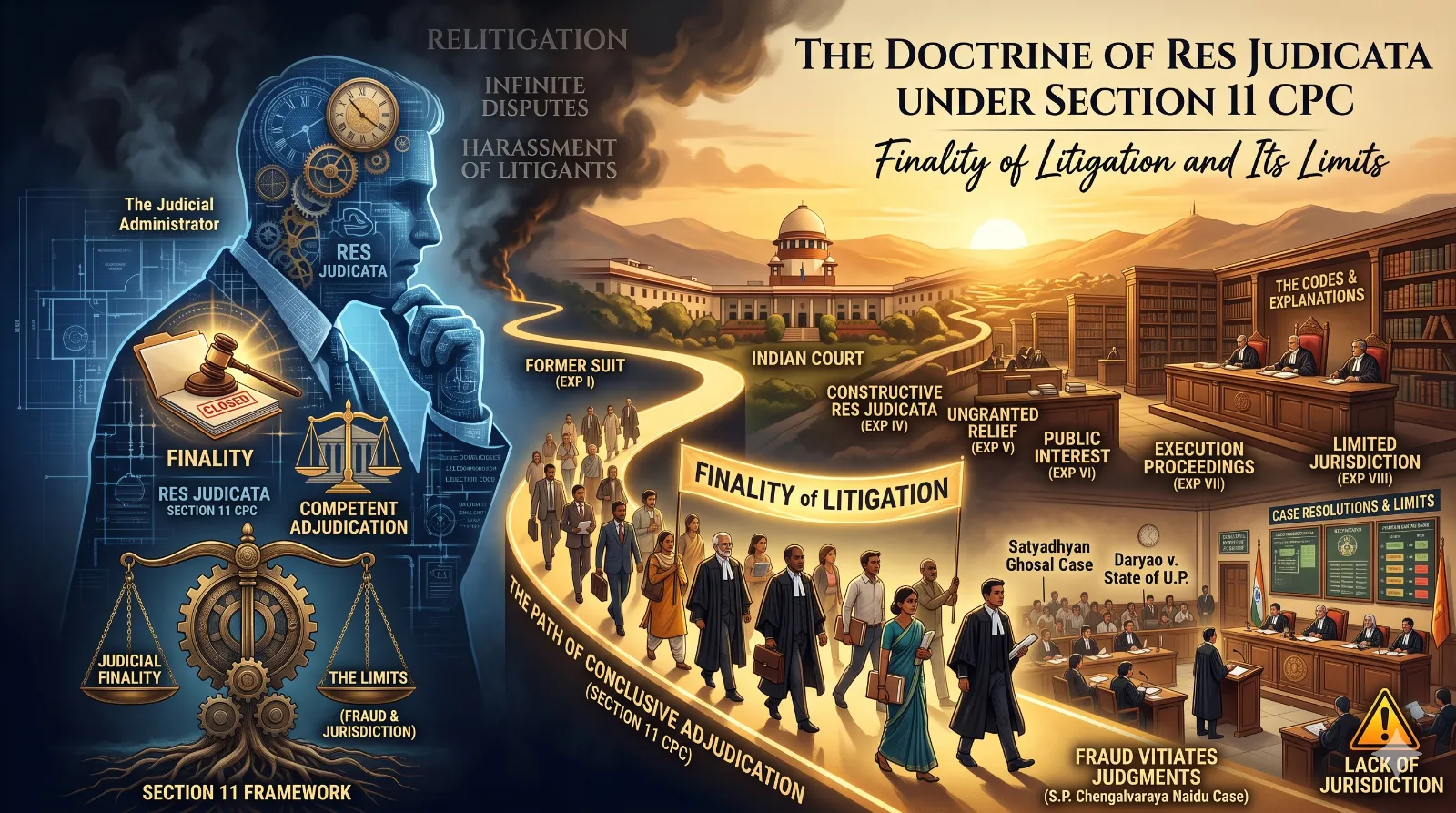
Courts exist to resolve disputes, not to keep them alive indefinitely. Section 11 of the Code of Civil Procedure, 1908 (CPC), embodies this principle through the doctrine of res judicata, which prevents parties from reopening matters that have already been finally decided by a competent court. The doctrine protects litigants from repeated proceedings, preserves judicial resources, and gives authority to judicial decisions. However, applying res judicata requires more than establishing that two cases concern similar facts. The nature of the earlier decision, the identity of the parties, the issues adjudicated, and the competence of the court must all be examined. The eight Explanations appended to Section 11 clarify the scope of the doctrine and address situations in which a matter may be treated as already decided, even when it was not expressly determined in the earlier proceedings.
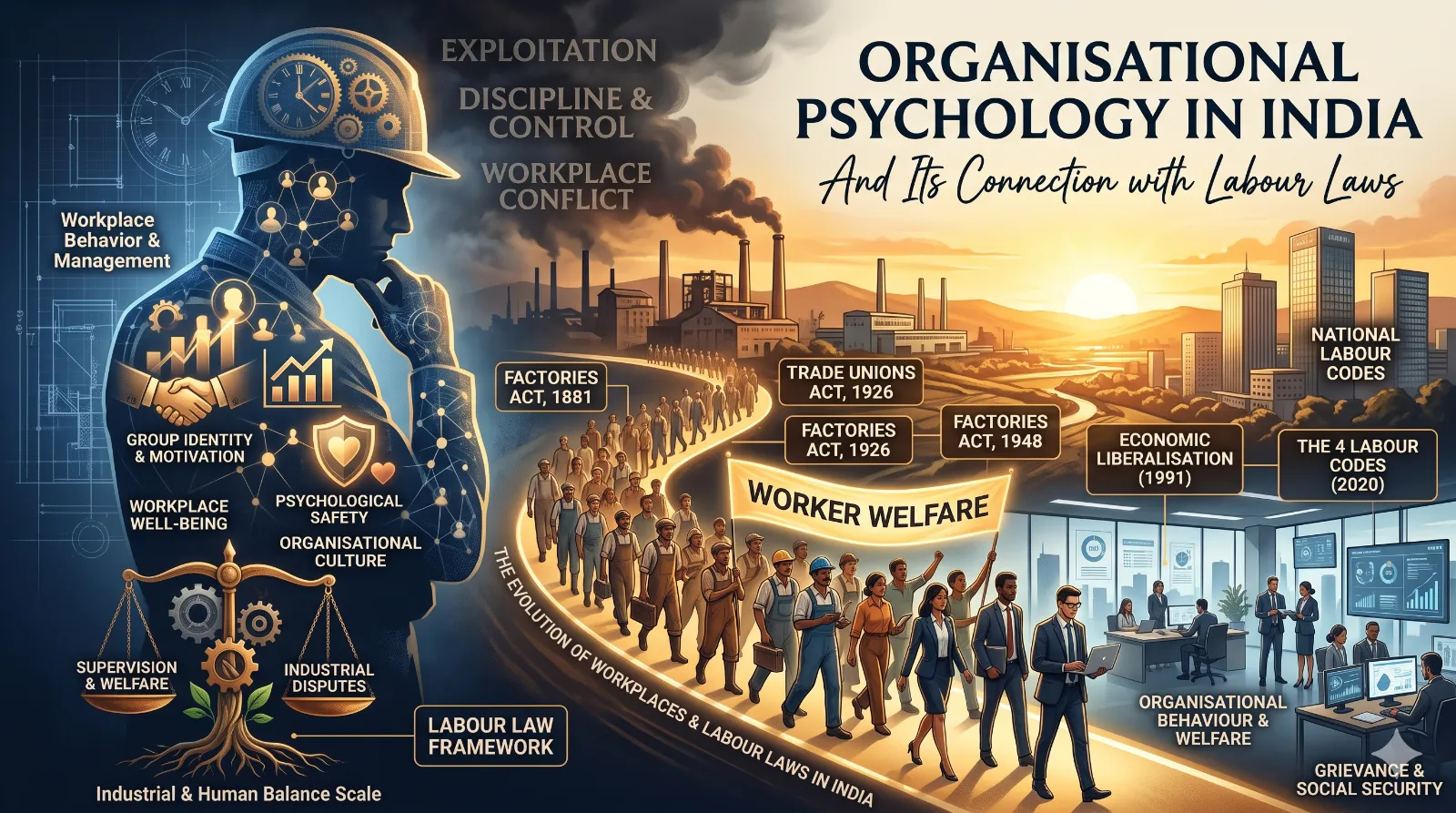
Organisational psychology examines how people behave within organisations, how management influences their performance, and how workplace relationships affect decisionmaking. In India, its development can be understood alongside the country's industrial history, from colonial-era factories to modern corporate workplaces. Although organisational psychology emerged as a distinct discipline largely through Western research, the questions it addresses became increasingly relevant in India as industrial employment expanded and concerns about working conditions, worker representation, and managerial authority grew. The history of Indian labour legislation provides a useful timeline for understanding how the relationship between organisations and the people working within them has changed. From Industrial Control to Human Behaviour 1881–1947: Colonial industrialisation and factory regulation The expansion of factories, railways, mines, and plantations under British rule created a growing need to organise industrial labour. Early management practices emphasised discipline, productivity, and supervision, while workers faced concerns about working hours, safety, and welfare. The Factories Act, 1881, marked an early attempt to regulate factory employment in India. It was followed by further legislation, including the Factories Act, 1948, which developed a broader framework for factory health, safety, and welfare.
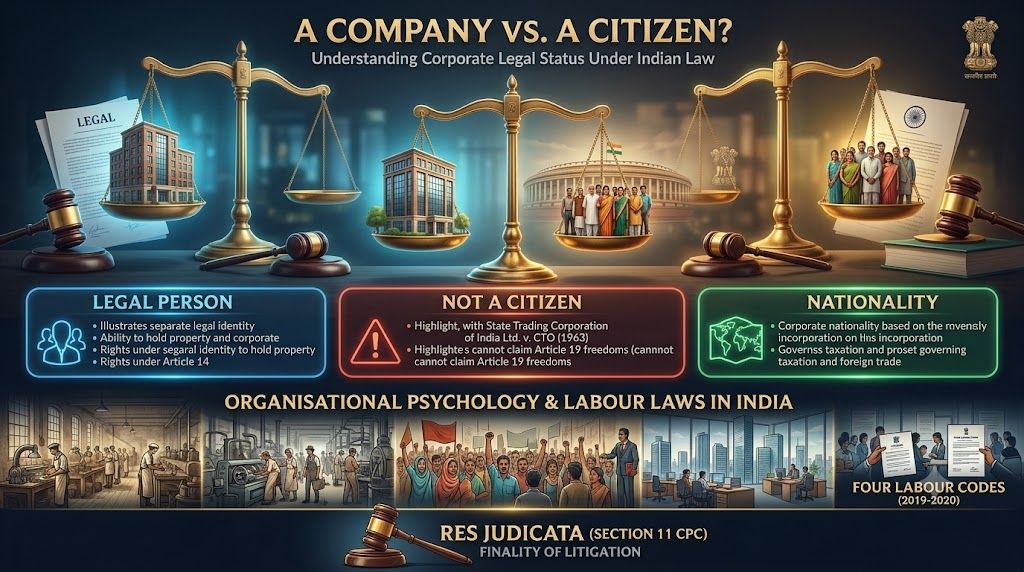
Can a company incorporated in India claim the same constitutional status as an Indian citizen? At first glance, the answer might appear obvious. A company may be established under Indian law, conduct business within the country, employ Indian citizens, and contribute significantly to the national economy. Yet, despite its distinct legal identity, a company does not enjoy every right available to an individual. This distinction came into sharp focus before the Supreme Court of India in State Trading Corporation of India Ltd. v. Commercial Tax Officer, AIR 1963 SC 1811, a landmark judgment that clarified the constitutional position of companies and established an important distinction between legal personality, citizenship, and corporate nationality.
Growing up in a country like India, where cricket is celebrated almost like a religion, it is difficult not to fall in love with the game. Here, cricket is not merely a sport. It is an emotion that connects millions of people, irrespective of their backgrounds, professions, or ci
Relationships between people who live together, or 'love marriage' have become a common sight in India but are not legally recognized as marriage. There is no one national code in Indian Law that provides full spousal rights to unmarried cohabitants. Rather, the rights of couples
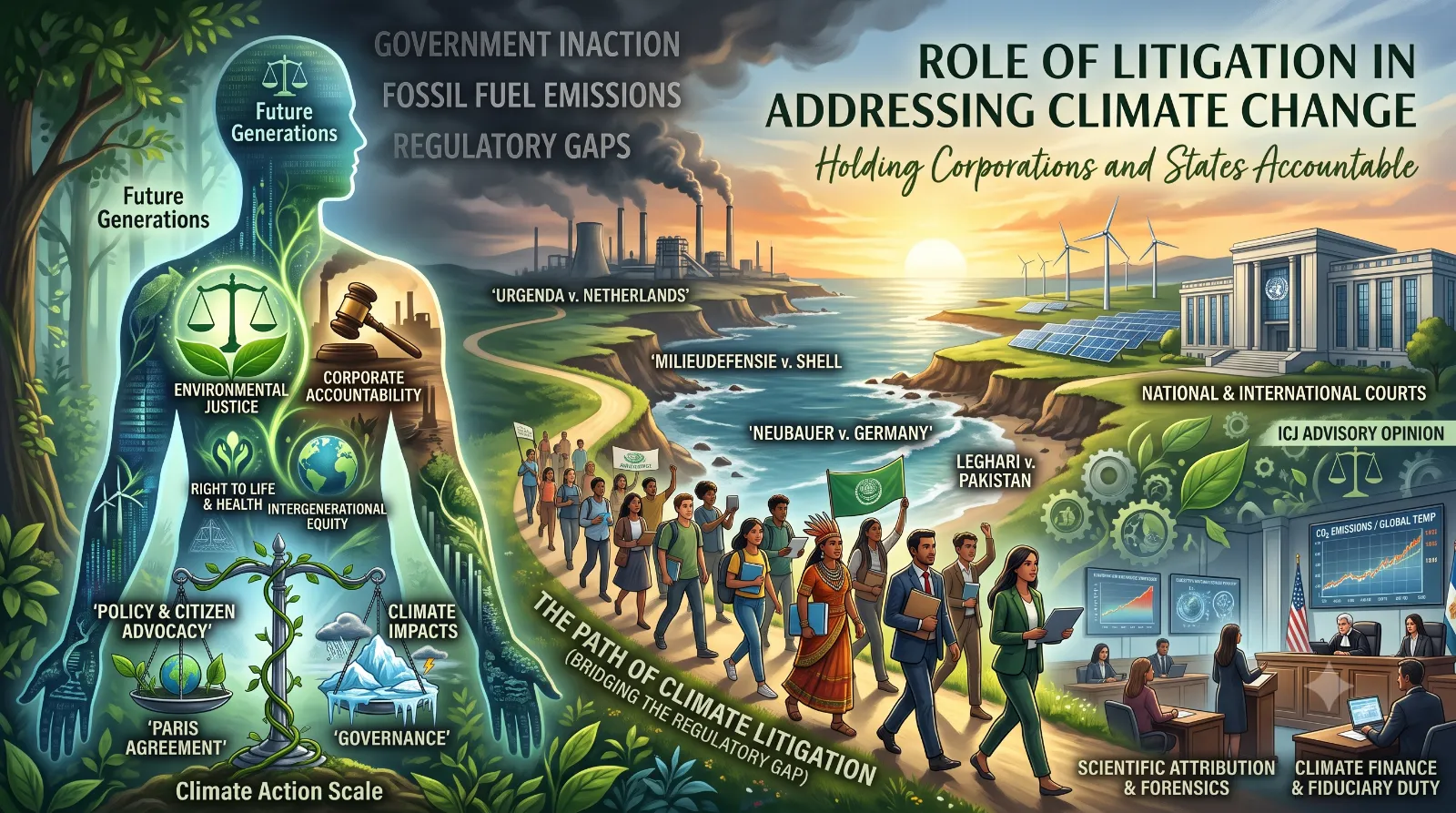
Climate change, caused by the buildup of greenhouse gases (GHGs) in the atmosphere, has resulted in increasing global temperatures, occurrence of extreme weather events, melting glaciers, and sea level rise. The inability of some governments and corporations to fulfill their climate obligations has raised a crucial question: Can litigation be used to bridge the regulatory and policy gaps left behi
The modern legal system increasingly operates in a world where documents are created, signed, transmitted, and stored without ever taking physical form. Contracts are accepted through emails, government documents are digitally signed, banking transactions are authenticated electronically, and evidence that once existed only on paper may now consist of messages, server logs, CCTV footage, cloud rec
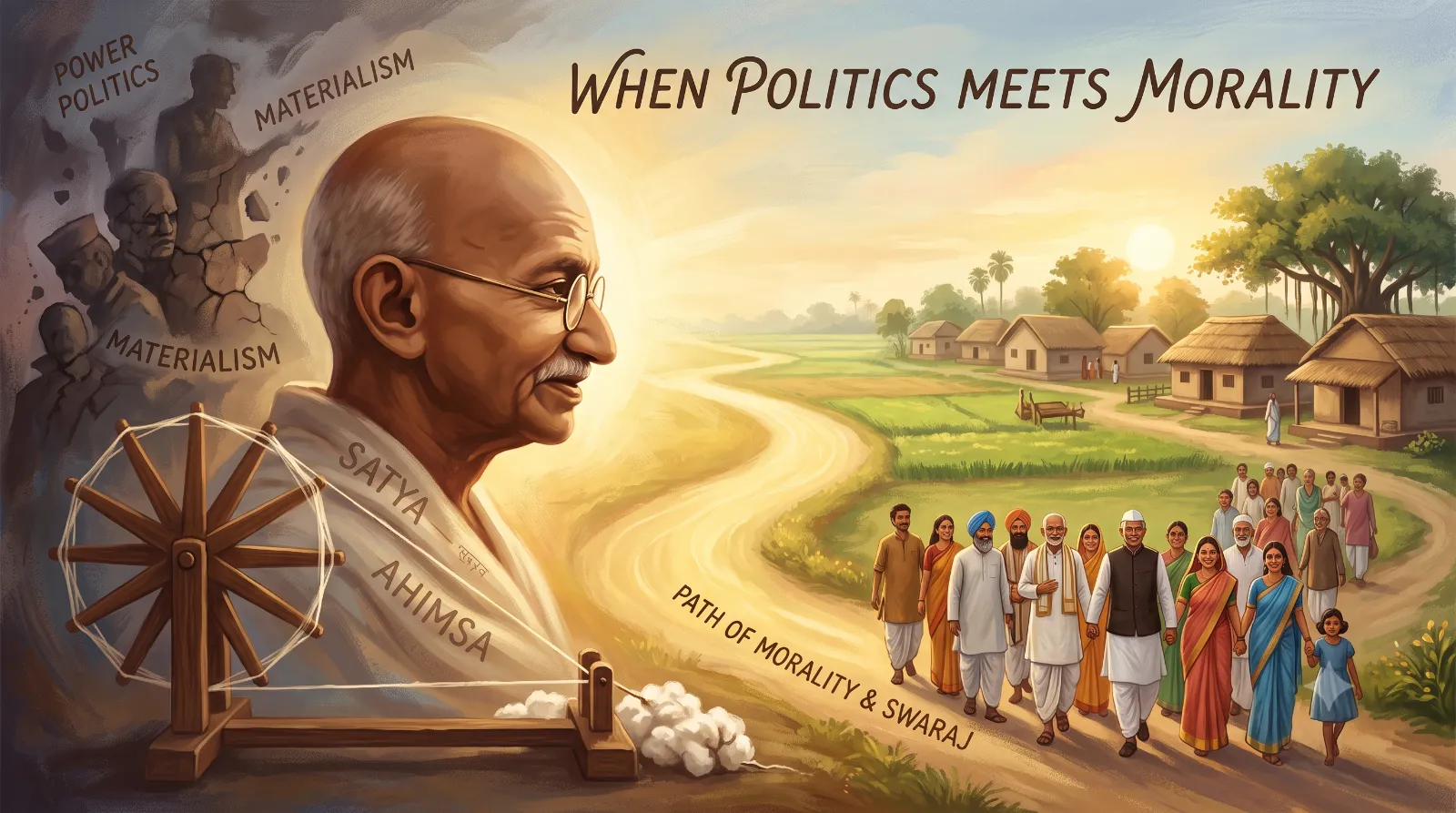
Mahatma Gandhi, a towering figure of the Indian freedom struggle, developed a unique political ideology that was deeply rooted in moral philosophy, spirituality, and humanism.